
Eating and living healthy
This article was written for the Medical Aid Society of Malawi (MASM) for their magazine
Dr Yankho Kaimila
1/13/20233 min read
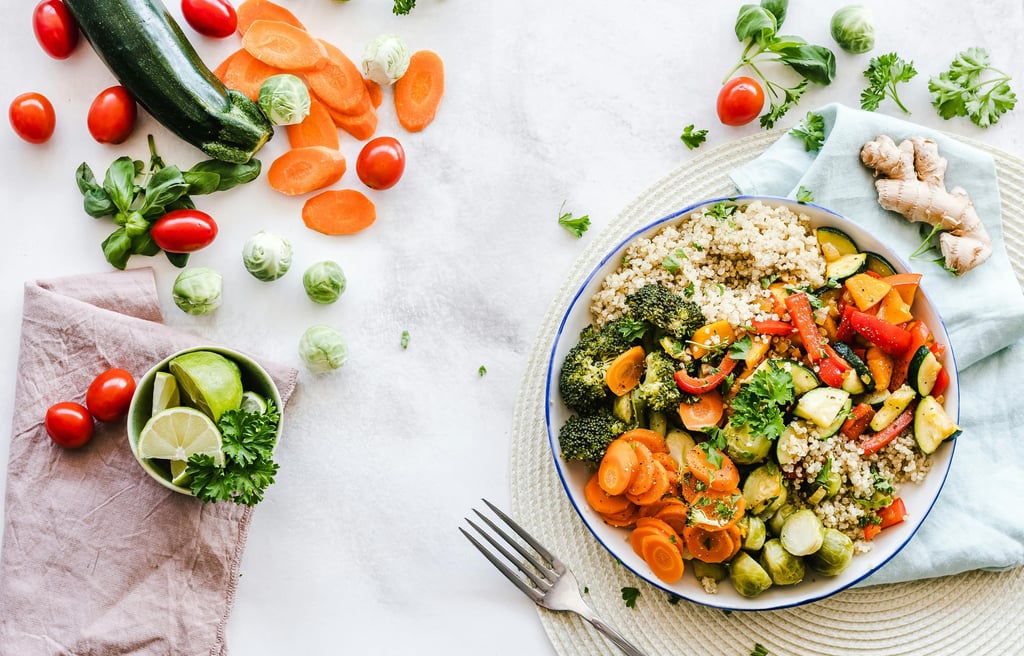
Like everything else in life, success does not come while idle. It requires intentional and focused plans to help you achieve whatever your goals are. This principle applies to living a healthy lifestyle. You may be asking, what is considered healthy living? A healthy lifestyle is the type of living that fosters good health and well-being both physically and mentally. It also includes ones spiritual and emotional well-being. Healthy living prevents diseases, prolongs life and improves mental clarity.
Living a healthy life
While the list is large, here are some things you can do to live a healthier lifestyle;
1. Get at least 6-8 hours of sleep per night.
2. Intentionally increase your water intake to at least 2 litres a day.
3. Avoid stressors where it is under your control and find healthy ways of dealing with stress.
4. Do not smoke.
5. Drink alcohol in moderation, that’s 1 drink for women and 2 for men per day.
6. Maintain a healthy weight.
7. Exercise regularly, walk for 150 minutes per week (30 minutes per day five days a week).
8. Eat healthy.
Why you should incorporate healthy habits into your lifestyle
Research has shown that people that include all of these five practises into their lifestyle; eating a healthy diet, exercising frequently, keeping a healthy body weight, not smoking and drinking alcohol in moderation; live 14 years longer for women and 12 years longer for men. And incorporating just one of these lifestyle adjustments extended life by 2 years. The more healthy habits one had, the longer their life was prolonged. This is absolutely staggering [1–4].
Healthy eating habits
Let’s talk about one habit, healthy eating. In the world of nutrition, we define eating healthy as consuming foods that provide all the necessary nutrients that your body requires per day, also known as a balanced diet. Every day, our bodies require protein, carbohydrates, fats, several micronutrients such as iron, zinc, calcium, magnesium, iodine, potassium, phosphorus, B vitamins and vitamins A, D, E and K. Therefore, a balanced diet consists of foods that contain these nutrients and many others.
I am sure you are now thinking “that’s a lot of nutrients to eat in one day, how much food do I need to eat to meet my requirements?”. Don’t worry, it doesn’t mean grazing all day, some foods are nutrient dense, that means they contain a high number of different nutrients. This is true for many fruits and vegetables, especially dark green vegetables. I am sure you have heard fruits and vegetables being advocated for since you were a child and have probably been force fed vegetables at some point in your life. That is because by eating fruits and vegetables at every meal, you increase your chances of meeting your daily micronutrient requirements.
Protein is found in foods like meat, fish, legumes, nuts, milk and eggs; fat is found in foods like cooking oils, oily fish, avocado and nuts while carbohydrate is found in rice, grains (maize, sorghum, millet, wheat) and their by-products and starchy tubers (potatoes, cassava and yam). The eat well guide, which serves as the global guideline for eating healthy provides a visual of the type of foods to incorporate in your daily meals.
To optimize your balance diet, avoid eating highly processed foods for nutrients are lost during processing, reduce salt intake, reduce or eliminate the consumption of added sugar especially sugary drinks and avoid consumption of saturated fats and trans-fats.
Your motivation
Just by adding any one of these changes to your life, you will be adding 2 years to your life. So, make better food decisions and enjoy your week. Interact with us. We would love to hear your thoughts and experiences with incorporating healthy habits into your life with regard to nutrition, wellness, health and fitness. We are also able to help you incorporate healthy food choices to support your condition, whether ill or otherwise healthy.
Sources
WHO. Healthy diet. https://www.who.int/behealthy/healthy-diet
WHO. Physical activity. https://www.who.int/behealthy/physical-activity
Tello, M. Healthy lifestyle: 5 keys to a longer life Available online: https://www.health.harvard.edu/blog/healthy-lifestyle-5-keys-to-a-longer-life-2018070514186 (accessed on Jun 17, 2019).
Loef, M.; Walach, H. The combined effects of healthy lifestyle behaviors on all-cause mortality: A systematic review and meta-analysis. Preventive Medicine 2012, 55, 163–170.
Marteau, T.M. Changing minds about changing behaviour. The Lancet 2018, 391, 116–117.
Mehta, N.; Myrskylä, M. The Population Health Benefits Of A Healthy Lifestyle: Life Expectancy Increased And Onset Of Disability Delayed. Health Affairs 2017, 36, 1495–1502.